Improving Patient Safety with Bed Safety Alarm Systems

Patient safety remains a top priority in healthcare and elderly care settings. One of the most effective tools to enhance safety is the use of bed safety alarm systems. These systems help prevent falls, reduce injuries, and provide caregivers with timely alerts when patients attempt to leave their beds unsupervised. In this post, I will explore how bed safety alarm systems improve patient safety, share practical insights, and offer actionable recommendations for their effective use.
Why Bed Safety Alarm Systems Matter
Falls are a leading cause of injury among patients in hospitals and elderly care centers. Many patients, especially those with mobility challenges or cognitive impairments, are at risk of falling when they try to get out of bed without assistance. Bed safety alarm systems act as a critical line of defense by alerting caregivers immediately when a patient attempts to exit the bed.
These alarms reduce response times, allowing staff to intervene quickly and prevent potential accidents. They also provide peace of mind to families and care providers, knowing that patients are monitored continuously. The result is a safer environment that supports patient independence while minimizing risks.
Key benefits of bed safety alarm systems include:
Early detection of bed exits
Reduced fall rates
Enhanced caregiver response
Improved patient confidence and comfort
By integrating these systems into care routines, facilities can significantly improve overall patient safety.
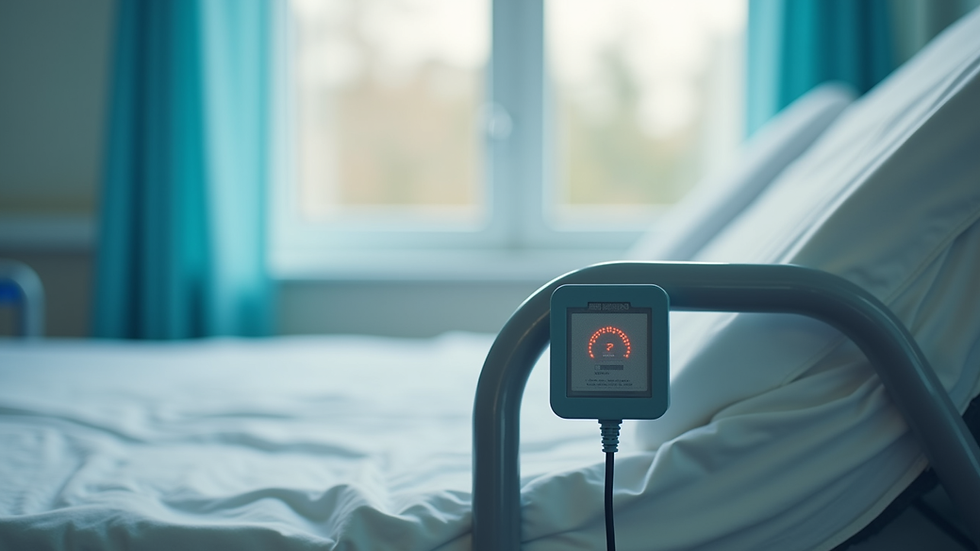
How Bed Safety Alarm Systems Work
Bed safety alarm systems use sensors placed on or near the bed to detect movement or pressure changes. When a patient attempts to leave the bed, the sensor triggers an alert that notifies caregivers through a central monitoring system or portable devices.
There are several types of sensors commonly used:
Pressure-sensitive mats - placed under the mattress or beside the bed to detect weight shifts.
Motion sensors - detect movement around the bed area.
Wearable devices - worn by the patient to monitor position changes.
Each type has its advantages depending on the care setting and patient needs. For example, pressure mats are non-intrusive and easy to install, while wearable devices offer mobility monitoring beyond the bed.
To maximize effectiveness, it is essential to select the right system tailored to the patient’s condition and environment. Training staff on proper use and maintenance also ensures reliable performance.
Choosing the Right Bed Safety Alarm System
Selecting the ideal bed safety alarm system requires careful consideration of several factors:
Patient risk level: High-risk patients may need more sensitive or multi-sensor systems.
Care environment: Hospitals may require integration with existing nurse call systems, while elderly care centers might prioritize ease of use.
Alert methods: Visual, audible, or remote alerts should match caregiver workflows.
False alarm reduction: Systems with adjustable sensitivity help minimize unnecessary alerts.
Installation and maintenance: Simple setup and durable components reduce downtime.
I recommend involving clinical staff in the decision-making process to ensure the system meets practical needs. Pilot testing different options can also help identify the best fit.
For example, a hospital bed exit alarm system that integrates AI and sensor technology can provide intelligent monitoring and reduce false alarms, improving caregiver efficiency.
Best Practices for Implementing Bed Safety Alarm Systems
Implementing bed safety alarm systems effectively requires more than just installation. Here are some best practices to ensure success:
Comprehensive staff training: Educate caregivers on system operation, alarm response, and troubleshooting.
Regular system checks: Schedule routine inspections to verify sensor functionality and battery life.
Patient education: Explain the purpose of alarms to patients to reduce anxiety and encourage cooperation.
Customize alarm settings: Adjust sensitivity and alert types based on individual patient needs.
Integrate with care protocols: Align alarm use with fall prevention strategies and patient monitoring routines.
By following these steps, facilities can maximize the benefits of bed safety alarm systems and create a safer care environment.

The Future of Patient Safety with Intelligent Monitoring
Advancements in AI and sensor technology are transforming bed safety alarm systems. Intelligent monitoring solutions can analyze patient movement patterns, predict fall risks, and provide proactive alerts before incidents occur.
These innovations enable a shift from reactive to proactive care, reducing falls and improving patient outcomes. Integration with electronic health records and mobile devices also enhances communication and documentation.
As technology evolves, I expect bed safety alarm systems to become more personalized, adaptive, and seamless within healthcare workflows. This progress aligns with the goal of setting new standards for proactive care across healthcare and elderly care sectors.
Taking Action to Enhance Patient Safety Today
Improving patient safety with bed safety alarm systems is both achievable and essential. By selecting the right technology, training staff, and integrating alarms into care routines, facilities can reduce falls and protect vulnerable patients.
If you are considering upgrading your safety monitoring, explore options that leverage advanced AI and sensor technology. A hospital bed exit alarm system designed for intelligent monitoring offers a powerful solution to meet today’s safety challenges.
Patient safety is a continuous journey. Embracing innovative bed safety alarm systems is a vital step toward safer, more responsive care environments. Start today and make a lasting impact on the well-being of those you care for.


Comments